
Every successful organization begins with a clear vision—but lasting impact requires a strategic plan that turns vision into action. Strategic planning provides the structure, focus, and accountability organizations need to navigate challenges, seize opportunities, and achieve long-term success.
Strategic Planning
Build a Roadmap for Sustainable Growth
Our Strategic Planning Process
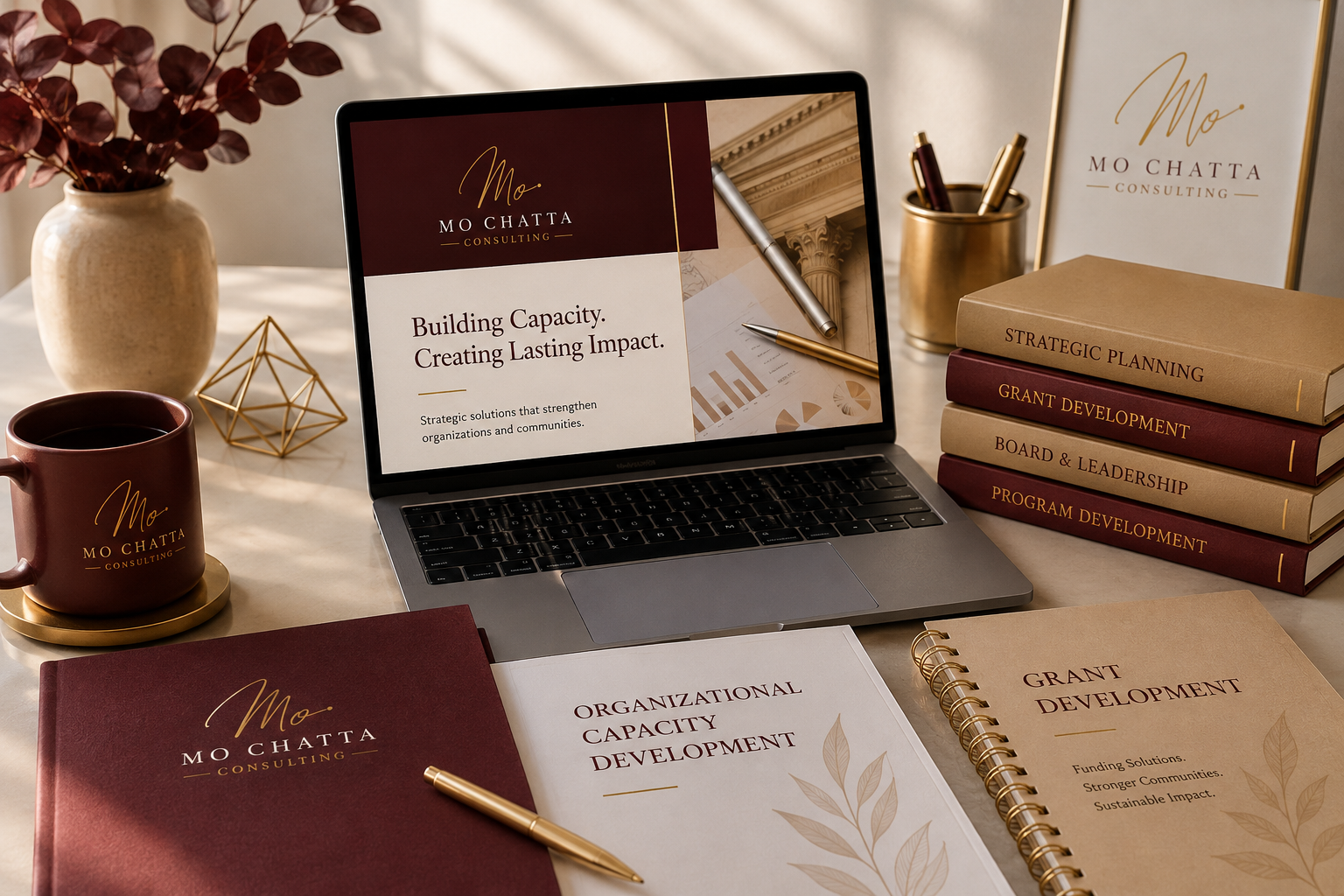
At Mo Chatta Consulting, we facilitate collaborative strategic planning processes that help nonprofit organizations, healthcare providers, community-based organizations, and mission-driven leaders define their future with confidence. Our approach combines data, stakeholder engagement, organizational assessment, and practical implementation strategies to create plans that are realistic, measurable, and actionable.
Rather than producing a document that sits on a shelf, we develop living strategic plans that guide decision-making, strengthen leadership alignment, and support sustainable organizational growth.
-
Every engagement begins by understanding your organization's current state.
We work closely with leadership to assess your strengths, challenges, opportunities, and future aspirations. This foundational phase ensures that your strategic plan is built on a clear understanding of your organization's unique needs and operating environment.
Activities may include:
Leadership interviews
Stakeholder surveys
Organizational assessments
Program reviews
Data collection and analysis
Community needs review
-
Your mission defines why your organization exists, while your vision describes the future you hope to create.
We facilitate engaging discussions that help leadership revisit or redefine these guiding statements to ensure they remain relevant, inspiring, and aligned with your long-term goals.
Deliverables include:
Refined Mission Statement
Vision Statement
Organizational Values
Strategic Direction
-
Understanding your environment is essential for making informed strategic decisions.
We conduct comprehensive assessments that evaluate both internal and external factors affecting your organization.
Our analysis includes:
Strengths
Internal capabilities that position your organization for success.Weaknesses
Operational or organizational challenges that may limit effectiveness.Opportunities
Emerging trends, partnerships, funding opportunities, or community needs that support future growth.Threats
External risks such as policy changes, economic conditions, funding uncertainties, or competitive pressures.This process provides valuable insight into where your organization stands today and where it can grow tomorrow.
-
Once priorities have been identified, we help leadership establish meaningful strategic goals that support organizational growth and measurable impact.
Goals are designed to be:
Specific
Measurable
Achievable
Relevant
Time-bound (SMART)
Each goal is aligned with your mission while supporting operational excellence and community impact.
Examples include:
Expanding programs
Increasing grant funding
Strengthening organizational capacity
Improving operational efficiency
Growing community partnerships
Enhancing leadership development
-
Our experienced facilitators guide collaborative planning sessions that encourage meaningful participation from board members, executive leadership, staff, and community stakeholders.
These sessions create alignment around organizational priorities while fostering shared ownership of the strategic plan.
Facilitation services include:
Executive Leadership Sessions
Board Strategic Retreats
Staff Planning Workshops
Stakeholder Engagement Sessions
Community Visioning Meetings
-
A strategic plan is only valuable if it leads to action.
We develop practical implementation roadmaps that clearly outline how strategic goals will be achieved over time.
Each roadmap identifies:
Strategic initiatives
Responsible team members
Timelines
Milestones
Required resources
Success indicators
This creates accountability while helping leadership monitor progress throughout implementation.
-
Receiving a grant is only the beginning. Organizations must comply with funder requirements, maintain accurate records, and implement sound financial and operational practices throughout the grant period.
Compliance Services
Grant agreement review
Reporting requirements tracking
Financial monitoring
Documentation systems
Procurement guidance
Internal controls
Policy development
Audit preparation
Risk management
We Help Organizations
Stay compliant
Avoid penalties
Reduce audit findings
Maintain funder trust
Strengthen internal systems
Benefits
Reduced compliance risks
Better financial accountability
Increased organizational credibility
Stronger grant management
-
Grant reporting demonstrates accountability and documents the impact of funded programs. Timely, accurate reports strengthen relationships with funders and increase the likelihood of future funding.
Reporting Services
Performance reports
Financial reports
Outcome reporting
Impact measurement
Success stories
Data analysis
Report editing
Final grant closeout reports
Reporting Components
Program accomplishments
Outcome measurements
Performance indicators
Budget expenditures
Lessons learned
Challenges encountered
Future sustainability plans
Benefits
Meets reporting deadlines
Demonstrates impact
Strengthens funder relationships
Supports future grant applications